What Is an EPAL Pallet? Complete Guide to Euro Pallets
What Is an EPAL Pallet? Complete Guide to Euro Pallets
If you work in logistics, warehousing, manufacturing or international trade, you have probably come across the term EPAL pallet. But what exactly is an EPAL pallet, how is it different from an ordinary wooden pallet, and why do businesses use it?
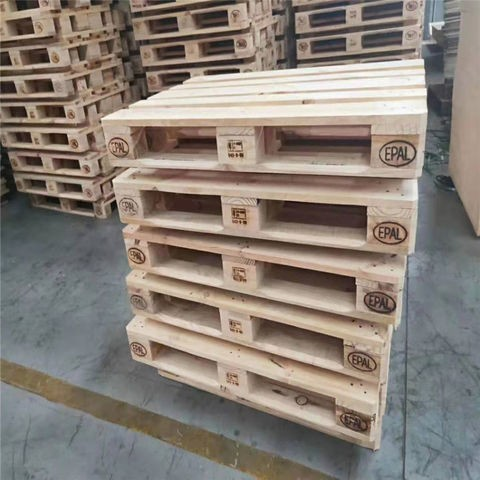
An EPAL pallet is a standardized reusable wooden load carrier produced within the European Pallet Association’s pallet system. The most widely recognized EPAL Euro pallet has a standard footprint of 1,200 × 800 mm and is designed for repeated handling, storage and transport.
For businesses purchasing pallets, it is important to understand that a pallet measuring 1,200 × 800 mm is not automatically an EPAL pallet. The EPAL designation relates to the pallet’s specifications, markings and participation in the EPAL system.
If you are looking to purchase Euro pallets, see our Euro/EPAL Pallets and Euro EPAL Pallets Portugal pages. What Is an EPAL Pallet
What Does EPAL Mean?
EPAL stands for the European Pallet Association.
EPAL operates a pallet system based on standardized load carriers, quality requirements and licensing arrangements. EPAL pallets are used extensively in logistics and supply chains where standardized, reusable pallets are required.
The EPAL Euro pallet is commonly used for:
- Warehousing
- Road transport
- Manufacturing
- Distribution
- Retail logistics
- International trade
- Export shipments
- Industrial material handling
- What Is an EPAL Pallet
The standardized dimensions allow compatible handling and storage equipment to be used across many supply chains.
For current official information about EPAL load carriers and specifications, consult the official EPAL load carrier overview.
What Size Is an EPAL Euro Pallet?
The standard EPAL Euro pallet has dimensions of:
1,200 × 800 × 144 mm
The dimensions are important because the pallet is designed around a standardized footprint used throughout European logistics.
| Specification | EPAL Euro Pallet |
|---|---|
| Length | 1,200 mm |
| Width | 800 mm |
| Height | 144 mm |
| Construction | Wooden |
| Entry | Four-way handling |
| Typical use | Logistics, storage and transport |
| Safe working load | Up to 1,500 kg under specified conditions |
| Reusable | Yes |
| Standardized | Yes |
| EPAL marking | Applicable to genuine EPAL pallets |
The exact operating conditions and loading arrangement should always be considered when determining whether a pallet is suitable for a particular application.
How Much Weight Can an EPAL Pallet Hold?
The load capacity of a pallet depends on how the load is distributed and how the pallet is supported.
EPAL publishes a safe working load of up to 1,500 kg for the EPAL Euro pallet under the applicable conditions.
This does not mean that every load configuration should automatically be treated as a 1,500 kg load.
The buyer should consider:
- Weight of the goods
- Load distribution
- Pallet condition
- Stacking
- Storage method
- Racking system
- Handling equipment
- Duration of storage
- What Is an EPAL Pallet
For heavy or unusual loads, the pallet specification should be checked against the intended application. What Is an EPAL Pallet
For heavier industrial applications, see our Industrial Pallets range.
What Is the Difference Between an EPAL Pallet and a Standard 1200 × 800 Pallet?
This is one of the most important distinctions for pallet buyers.
A 1,200 × 800 mm pallet describes the pallet’s dimensions.
An EPAL pallet refers to a pallet produced within the EPAL system according to the applicable requirements and carrying the relevant markings.
Therefore:
Every genuine EPAL Euro pallet has the standardized dimensions, but not every 1,200 × 800 mm pallet is an EPAL pallet.
A company may manufacture a wooden pallet with the same external dimensions without it being an EPAL pallet.
This distinction matters when a customer, transport company or supply chain specifically requires EPAL pallets.
How Can You Identify an EPAL Pallet?
Genuine EPAL pallets carry identifying markings associated with the EPAL system.
Depending on the pallet and applicable production requirements, buyers may see markings on the pallet blocks and other identification information.
When purchasing EPAL pallets, buyers should check:
- EPAL markings
- Pallet condition
- Manufacturer information where applicable
- Overall pallet construction
- Presence of unauthorized alterations
- Repair status
- Supplier documentation where relevant
- What Is an EPAL Pallet
If the pallet is being purchased specifically as an EPAL pallet, the buyer should ensure that the supplier is providing pallets belonging to the appropriate EPAL system.
Do not rely only on the pallet dimensions.
EPAL Pallets and the EPAL Quality System
The EPAL system is based on standardized specifications and controlled production and repair arrangements.
This is important because reusable pallets circulate between different companies and locations.
A standardized pallet system helps businesses work with:
- Consistent dimensions
- Standardized handling
- Interchangeable load carriers
- Reusable pallets
- Established quality requirements
- What Is an EPAL Pallet
This can be particularly useful for companies operating across multiple warehouses or logistics partners.
EPAL Pallets for Warehousing
EPAL pallets are widely used for warehouse operations because their standardized footprint is compatible with common European pallet handling systems.
They can be used for:
- Floor stacking
- Warehouse transport
- Picking operations
- Distribution
- Manufacturing storage
- Retail supply chains
- Palletized goods
- What Is an EPAL Pallet
However, warehouse operators should verify the compatibility of their particular racking system with the pallet, load and storage configuration.
A pallet suitable for floor storage may have different requirements when used in racking.
EPAL Pallets for Transport
The standardized 1,200 × 800 mm footprint makes EPAL Euro pallets suitable for many European transport applications.
They can be used with:
- Trucks
- Warehouses
- Distribution centres
- Manufacturing facilities
- Logistics providers
- Retail supply chains
- What Is an EPAL Pallet
Standardized pallet dimensions can simplify loading calculations and handling throughout the supply chain.
EPAL Pallets for Export
EPAL pallets can be used for international logistics where the pallet and shipment meet the applicable requirements.
For wooden packaging material moving internationally, phytosanitary requirements can apply depending on the destination and shipment.
The relevant international standard is ISPM 15, which covers wood packaging material used in international trade.
EPAL provides information about ISPM 15 treatment within its pallet system through its official ISPM 15 information.
For a broader explanation of export requirements, see our Export Pallets Portugal page.
What Is ISPM 15?
ISPM 15 is an international phytosanitary standard addressing wood packaging material used in international trade.
The purpose is to reduce the risk of the international movement of pests associated with untreated wood packaging material.
Depending on the shipment and destination, wooden pallets used for international trade may need to comply with applicable ISPM 15 requirements.
This is particularly important for:
- Exporters
- Importers
- Freight forwarders
- Manufacturers
- International distributors
- Logistics companies
- What Is an EPAL Pallet
For official information, see the IPPC ISPM standards and the IPPC ISPM 15 standard.
EPAL vs EUR Pallet
The terms EPAL, EUR and Euro pallet are sometimes used interchangeably in everyday logistics conversations, but buyers should be precise about what they are purchasing.
Historically, EUR pallet markings were associated with railway and European pallet systems. EPAL subsequently developed and operates its own pallet exchange system.
For purchasing purposes, the safest approach is to specify the exact pallet required, including:
- EPAL status
- Dimensions
- New or used condition
- Grade
- Quantity
- Required certification or markings
- Export requirements
- What Is an EPAL Pallet
This prevents confusion when requesting quotations.
EPAL Pallets vs Generic Euro-Size Pallets
A generic Euro-size pallet may have dimensions of 1,200 × 800 mm but may not be manufactured under the EPAL system.
The two should therefore not automatically be treated as the same product.
| Feature | EPAL Euro Pallet | Generic 1200 × 800 Pallet |
|---|---|---|
| Dimensions | 1,200 × 800 mm | May be 1,200 × 800 mm |
| EPAL system | Yes | Not necessarily |
| Standardized construction | Yes | Manufacturer-dependent |
| EPAL markings | Applicable | No |
| Reusable | Yes | Depends on product |
| Exchange-system use | Designed for EPAL system | Depends on buyer |
| Certification/licensing | EPAL system requirements | Manufacturer-dependent |
| Typical use | European logistics | General pallet applications |
This distinction is particularly important when a customer has a contractual requirement for EPAL pallets.
New EPAL Pallets vs Used EPAL Pallets
EPAL pallets are available in different conditions depending on the supplier and market.
New EPAL pallets
New pallets are appropriate where customers require:
- Clean appearance
- Consistent condition
- New pallet construction
- Customer presentation
- Specific logistics requirements
- What Is an EPAL Pallet
Used EPAL pallets
Used pallets can provide a more economical option for applications where appearance is less important.
When buying used pallets, inspect:
- Broken boards
- Cracked blocks
- Missing components
- Repairs
- Contamination
- Excessive wear
- Structural integrity
- What Is an EPAL Pallet
For more information, see our Used Wooden Pallets page.
Can EPAL Pallets Be Repaired?
EPAL pallets can be repaired within the applicable EPAL system by appropriately authorized repair operations.
This is important because a damaged pallet should not simply be repaired in an uncontrolled manner and then represented as an approved EPAL pallet.
Buyers purchasing repaired EPAL pallets should pay attention to:
- Repair quality
- Applicable markings
- Pallet condition
- Structural integrity
- Supplier legitimacy
- What Is an EPAL Pallet
The objective is to ensure that the pallet remains suitable for its intended use and belongs to the appropriate pallet system.
EPAL Pallets for Different Industries
EPAL pallets can be used across many sectors.
Manufacturing
Manufacturers use pallets for raw materials, components and finished products.
Retail
Retail supply chains commonly use standardized pallets for distribution centres and stores.
Food and beverage
EPAL pallets can be used for palletized food and beverage logistics, subject to the requirements of the particular supply chain. What Is an EPAL Pallet
Automotive
Manufacturers and suppliers can use standardized pallets for components and industrial logistics.
Warehousing
Warehouses can use Euro pallets for storage, handling and distribution.
Export
Exporters can use suitable EPAL pallets where the shipment and destination requirements are met.
EPAL Pallet Maintenance
Proper handling can help extend the useful life of reusable pallets.
Good practices include:
- Avoid dropping pallets from excessive heights.
- Do not overload pallets.
- Distribute cargo evenly.
- Use suitable forklift entry.
- Avoid dragging pallets unnecessarily.
- Keep pallets away from unnecessary moisture.
- Inspect pallets before use.
- Remove damaged pallets from circulation where necessary.
- What Is an EPAL Pallet
For businesses operating large pallet pools, regular inspection can help identify damaged pallets before they enter another stage of the supply chain.
When Should You Choose an EPAL Pallet?
An EPAL pallet may be appropriate when your logistics operation requires a standardized reusable pallet within the EPAL system.
It can be relevant when:
- Customers specifically request EPAL pallets.
- Your logistics partners operate with EPAL pallets.
- Standard 1,200 × 800 mm dimensions are required.
- You need reusable European load carriers.
- Your supply chain uses pallet exchange systems.
- You operate across multiple European logistics locations.
- What Is an EPAL Pallet
If you simply require a wooden pallet in a particular dimension and do not need EPAL status, a standard industrial or custom pallet may be a more appropriate product category.
See our Wooden Pallets page for the broader range.
How to Buy EPAL Pallets
When requesting an EPAL pallet quotation, provide:
Pallet type: EPAL Euro pallet
Dimensions: 1,200 × 800 × 144 mm
Condition: New or used
Quantity: Number of pallets
Application: Storage, transport, export, etc.
Delivery: Full delivery address
Required date: Delivery period
Special requirements: Export, grading or documentation
What Is an EPAL Pallet
Providing these details helps avoid confusion between EPAL pallets and generic Euro-size pallets.
EPAL Pallet Technical Summary
| Parameter | EPAL Euro Pallet |
|---|---|
| Length | 1,200 mm |
| Width | 800 mm |
| Height | 144 mm |
| Material | Wood |
| Standard | EPAL system |
| Entry | Four-way handling |
| Safe working load | Up to 1,500 kg under specified conditions |
| Reusable | Yes |
| Typical applications | Logistics, warehousing, manufacturing, distribution |
| Export | Subject to applicable requirements |
| ISPM 15 | Applicable to treated wooden packaging where required |
| Condition | New or used, depending on supply |
| Repair | Applicable EPAL repair system |
Frequently Asked Questions
What is an EPAL pallet?
An EPAL pallet is a standardized reusable wooden pallet belonging to the EPAL pallet system. The standard EPAL Euro pallet measures 1,200 × 800 × 144 mm.
Is every 1200 × 800 pallet an EPAL pallet?
No. A 1,200 × 800 mm dimension alone does not make a pallet an EPAL pallet. EPAL pallets belong to the applicable EPAL system and carry the relevant markings.
How much weight can an EPAL pallet hold?
The EPAL Euro pallet has a published safe working load of up to 1,500 kg under specified conditions. Actual suitability depends on load distribution, support and handling conditions.
Are EPAL pallets reusable?
Yes. EPAL pallets are designed as reusable load carriers and can circulate through supply chains.
Are EPAL pallets suitable for export?
They can be used for export, subject to the requirements applicable to the shipment and destination. Wooden packaging may need to meet ISPM 15 requirements.
What size is an EPAL pallet?
The standard EPAL Euro pallet measures 1,200 × 800 × 144 mm.
What is the difference between EPAL and a Euro-size pallet?
EPAL refers to the pallet system and applicable requirements, while “Euro-size” can simply describe a pallet’s dimensions.
Can I buy new and used EPAL pallets?
Availability can include new and used EPAL pallets depending on current supply and requirements.
Are EPAL pallets suitable for warehouses?
Yes. They are widely used for warehousing, storage, transport and distribution, subject to compatibility with the warehouse’s handling and racking systems. What Is an EPAL Pallet
Conclusion
An EPAL pallet is more than a wooden pallet measuring 1,200 × 800 mm. It is a standardized reusable load carrier associated with the EPAL pallet system and used extensively across European logistics. What Is an EPAL Pallet
For buyers, the most important points are to confirm the pallet type, dimensions, condition, markings, load requirements and intended application before purchasing.
If your business requires standardized Euro pallets for warehousing, transport, manufacturing or export, Palmal – Paletes de Madeira can discuss your requirements and available supply.
Related Pallet Resources
- Euro/EPAL Pallets
- Euro EPAL Pallets Portugal
- Wooden Pallets
- New Wooden Pallets
- Used Wooden Pallets
- Industrial Pallets
- Export Pallets Portugal
- ISPM 15 Pallets
- Heat-Treated Pallets
- What Is an EPAL Pallet